


Next-Generation Breast Imaging Solutions Shaping the Future of Diagnostics
Free
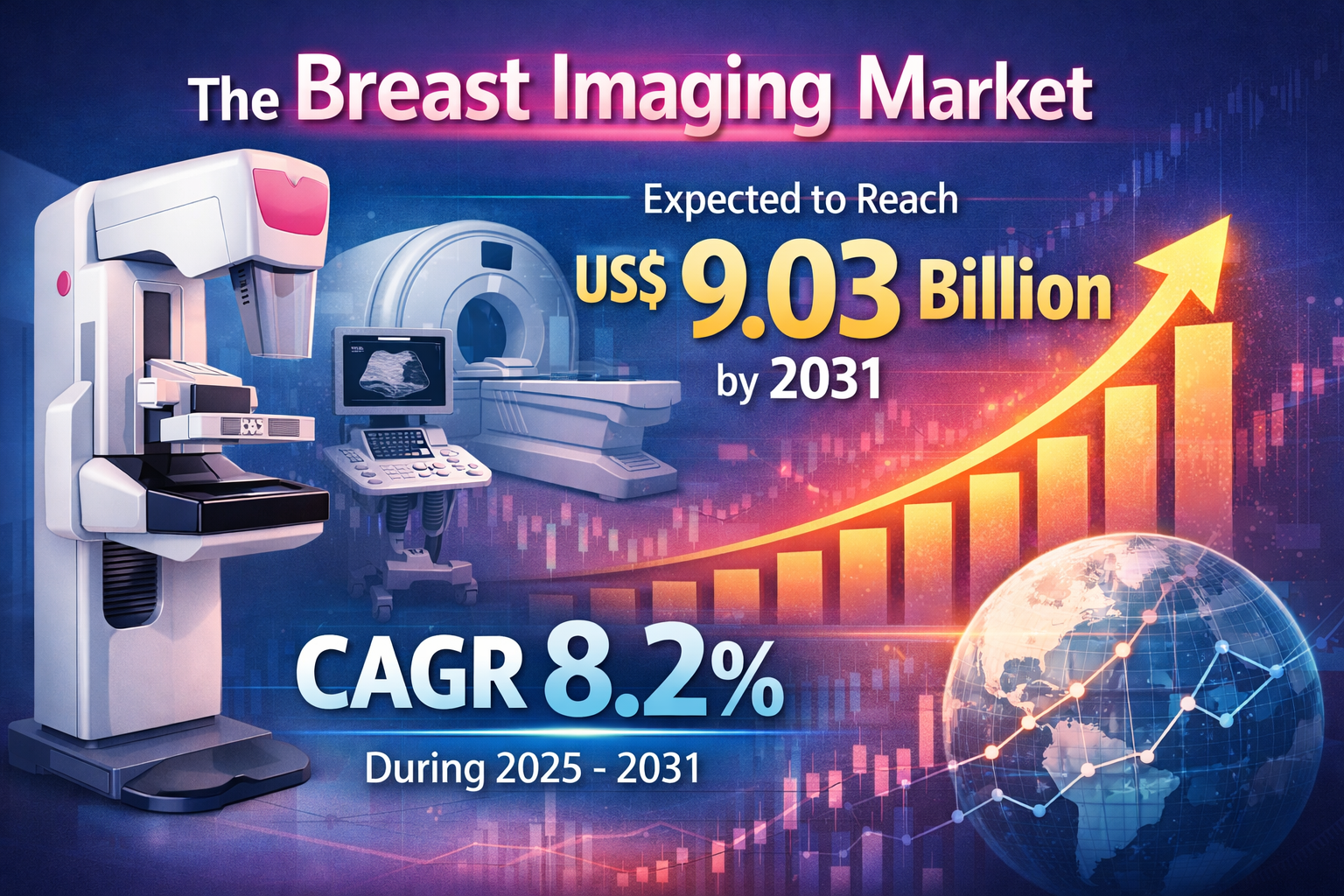
The Breast Imaging Market refers to the sector focused on technologies and services used for the detection, diagnosis, and monitoring of breast diseases, particularly breast cancer. This market encompasses various imaging modalities such as mammography, ultrasound, and magnetic resonance imaging (MRI). The growth of this market is driven by the rising incidence of breast cancer, advancements in imaging technologies, and increasing awareness about early detection and screening among women.
Breast cancer remains a leading cause of cancer-related mortality among women worldwide. As awareness and screening programs increase, the demand for advanced breast imaging solutions is growing. Next-generation breast imaging technologies are set to revolutionize diagnostics, offering improved accuracy, efficiency, and patient experience. This article explores these innovative solutions and their potential impact on breast cancer detection and management.
Key Innovations in Breast Imaging
1. Digital Mammography
Digital mammography has significantly improved the detection of breast abnormalities compared to traditional film mammography. It allows for enhanced image quality, easier storage, and the ability to manipulate images for better analysis. Digital systems can also reduce radiation exposure, making them safer for patients.
2. 3D Mammography (Tomosynthesis)
3D mammography, or tomosynthesis, provides a multi-dimensional view of the breast, allowing radiologists to examine tissue layer by layer. This technology has been shown to increase cancer detection rates while reducing false positives, which can lead to unnecessary biopsies and anxiety for patients. Studies indicate that 3D mammography can improve detection rates by up to 40%.
3. Magnetic Resonance Imaging (MRI)
Breast MRI is particularly beneficial for high-risk patients and those with dense breast tissue. It offers superior soft tissue contrast, making it an invaluable tool for staging breast cancer and assessing treatment response. The integration of MRI with other imaging modalities enhances diagnostic accuracy.
4. Contrast-Enhanced Mammography (CEM)
Contrast-enhanced mammography combines traditional mammography with the use of a contrast agent, allowing for better visualization of tumors. This technique can help differentiate between benign and malignant lesions more effectively and is increasingly being adopted in clinical practice.
5. Artificial Intelligence (AI) and Machine Learning
AI is transforming breast imaging by improving the speed and accuracy of image analysis. Machine learning algorithms can assist radiologists in identifying potential abnormalities, reducing the workload and minimizing human error. AI-driven tools are being developed to aid in risk assessment and personalized treatment planning.
Request Sample Pages of this Research Study @ https://www.theinsightpartners.com/sample/TIPHE100000986
Benefits of Next-Generation Breast Imaging
- Enhanced Accuracy: Advanced imaging technologies increase the likelihood of early cancer detection, which is critical for successful treatment outcomes.
- Reduced Anxiety: By decreasing false positive rates, these technologies help alleviate the stress and emotional burden on patients associated with unnecessary follow-up procedures.
- Personalized Care: With improved diagnostic capabilities, healthcare providers can tailor treatment plans to individual patient needs, enhancing overall care quality.
- Greater Accessibility: Innovations in imaging technology are making breast cancer screening more accessible, particularly in underserved regions.
Future Opportunities
The future of breast imaging is bright, with several trends shaping its evolution:
- Integration of Imaging Modalities: Combining different imaging techniques (e.g., MRI with ultrasound) will provide comprehensive insights into breast health, leading to better diagnostic accuracy.
- Telemedicine and Remote Diagnostics: The rise of telemedicine, accelerated by the COVID-19 pandemic, is enabling remote consultations and image evaluations, making breast imaging services more accessible.
- Regulatory Support and Funding: Increased government and private funding for breast cancer research and early detection initiatives will further drive innovation in imaging technologies.
- Patient-Centric Approaches: The focus on patient experience will lead to the development of more comfortable and less invasive imaging procedures, enhancing compliance with screening recommendations.
FAQs
1. What are next-generation breast imaging solutions?
Next-generation breast imaging solutions refer to advanced technologies such as digital mammography, 3D mammography, MRI, contrast-enhanced mammography, and AI-driven analysis that improve the accuracy and efficiency of breast cancer detection.
2. How does 3D mammography differ from traditional mammography?
3D mammography provides a layered view of breast tissue, allowing radiologists to detect abnormalities with greater precision, while traditional mammography offers a flat image that may obscure overlapping tissues.
3. What role does AI play in breast imaging?
AI algorithms assist radiologists in analyzing images more quickly and accurately, helping to identify potential abnormalities and reduce human error in diagnosis.
4. Why is breast MRI important?
Breast MRI is crucial for high-risk patients and those with dense breast tissue, offering superior imaging capabilities that enhance the detection and staging of breast cancer.
Related Report:
1) Fetal Monitoring Market Size
2) Gastric Cancer Diagnostic Procedure Market Outlook
About Us: -
The Insight Partners is a one-stop industry research provider of actionable intelligence. We help our clients in getting solutions to their research requirements through our syndicated and consulting research services. We specialize in industries such as Semiconductor and Electronics, Aerospace and Defense, Automotive and Transportation, Biotechnology, Healthcare IT, Manufacturing and Construction, Medical Devices, Technology, Media and Telecommunications, Chemicals and Materials.
Also Available in : Korean German Japanese French Chinese Italian Spanish

 English
 Arabic
 French
 Spanish
 Portuguese
 Deutsch
 Turkish
 Dutch
Dutch
 Italiano
 Russian
 Romaian
 Portuguese (Brazil)