


Residential Plumbing: Ensuring a Safe and Efficient Home Water System
Free
Free Wi-Fi
When it comes to maintaining a comfortable and functional home, residential plumbing is at the heart of it all. From providing clean water for drinking and cooking to ensuring waste water is safely removed, plumbing systems play an essential role in daily life. Despite its importance, plumbing is often overlooked until a problem arises. Understanding the basics of residential plumbing, common issues, and preventive maintenance can save homeowners time, money, and stress.
What is Residential Plumbing?
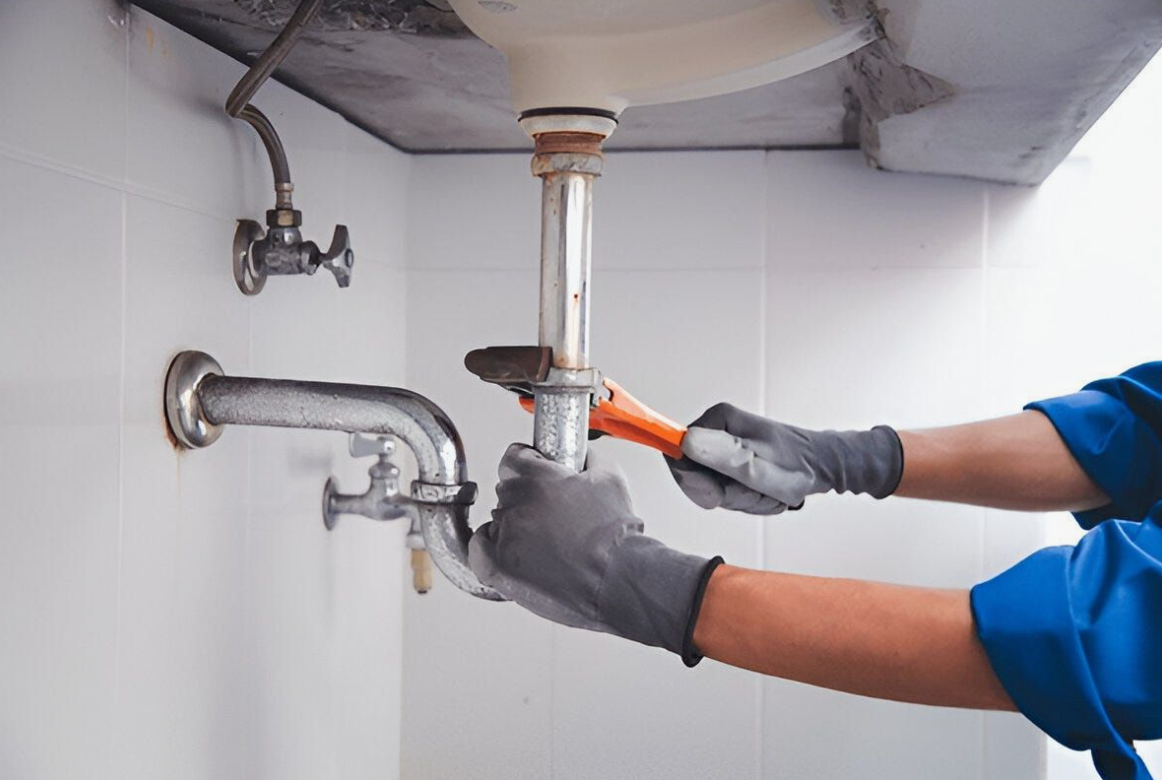
Residential plumbing refers to the system of pipes, fixtures, and appliances in a home that manage water supply and waste disposal. Unlike commercial plumbing, which handles higher volumes and more complex systems, residential plumbing is designed specifically for homes. This system encompasses:
- Water supply lines: Deliver fresh water from municipal systems or private wells to faucets, showers, toilets, and appliances.
- Drainage and waste lines: Remove wastewater from sinks, showers, toilets, and appliances, directing it to the municipal sewer system or septic tank.
- Fixtures and appliances: Include faucets, toilets, showers, bathtubs, water heaters, dishwashers, and washing machines.
- Vents: Allow sewer gases to escape and ensure smooth water flow through pipes.
A properly functioning residential plumbing system ensures hygiene, comfort, and efficiency, while poor plumbing can lead to leaks, water damage, and costly repairs.
Common Residential Plumbing Issues
Homeowners often encounter plumbing problems at one time or another. Some of the most common residential plumbing issues include:
1. Leaky Faucets and Pipes
Dripping faucets or leaking pipes are not just annoying—they waste water and increase utility bills. Over time, leaks can cause mold growth or water damage to walls and floors. Leaks are often due to worn-out washers, loose fittings, or corroded pipes.
2. Clogged Drains
Slow or clogged drains are a frequent problem in kitchens, bathrooms, and laundry areas. Hair, grease, soap residue, and food particles can build up over time, causing blockages. In some cases, tree roots or pipe damage may contribute to recurring clogs.
3. Running Toilets
A toilet that continuously runs can waste thousands of gallons of water annually. This issue is usually caused by a faulty flapper valve, fill valve, or flush mechanism that needs repair or replacement.
4. Water Heater Problems
Water heaters are essential for comfort, but they can develop problems like sediment buildup, leaks, or malfunctioning thermostats. A failing water heater can result in inconsistent water temperature or complete loss of hot water.
5. Low Water Pressure
Low water pressure affects showers, faucets, and appliances. It may be caused by mineral buildup in pipes, leaking connections, or issues with the municipal water supply.
Tips for Maintaining Residential Plumbing
Preventive maintenance is key to avoiding major plumbing emergencies. Homeowners can follow these practical tips:
1. Regular Inspections
Schedule periodic inspections of your plumbing system, including pipes, faucets, and water heaters. Early detection of leaks or corrosion can prevent costly repairs.
2. Proper Drain Care
Avoid pouring grease, coffee grounds, or food scraps down the drain. Use strainers in sinks to catch debris and flush drains periodically with hot water to prevent buildup.
3. Winterize Pipes
In colder climates, protect pipes from freezing by insulating them, sealing gaps, and keeping the home heated during winter months. Frozen pipes can burst and cause significant water damage.
4. Maintain Water Heater
Drain your water heater annually to remove sediment, check the pressure relief valve, and inspect for leaks or corrosion. Proper maintenance ensures longer lifespan and efficient performance.
5. Use Licensed Professionals
While minor plumbing tasks may be handled by homeowners, complex issues like pipe replacements, water heater installation, and sewer line repairs should always be handled by licensed residential plumbing professionals. They have the expertise and tools to complete the work safely and efficiently.
Choosing the Right Residential Plumbing Service
When hiring a plumbing contractor, consider the following:
- Experience and credentials: Look for licensed and insured plumbers with a strong track record in residential plumbing.
- Availability: Plumbing emergencies can occur anytime. A 24/7 service ensures prompt response when problems arise.
- Transparent pricing: Obtain written estimates and inquire about potential additional costs.
- Customer reviews: Previous clients’ feedback provides insight into reliability and quality of work.
A reputable plumbing service can also offer preventative maintenance plans, ensuring your system remains in optimal condition year-round.
Modern Innovations in Residential Plumbing
Technology has transformed residential plumbing in recent years, improving efficiency, convenience, and sustainability. Some notable innovations include:
- Tankless water heaters: Provide hot water on demand and reduce energy consumption compared to traditional storage tanks.
- Smart leak detectors: Sensors that alert homeowners to leaks before they cause damage.
- Water-efficient fixtures: Low-flow toilets, faucets, and showerheads reduce water consumption while maintaining performance.
- PEX piping: Flexible and corrosion-resistant pipes that simplify installation and reduce the risk of leaks.
Adopting modern plumbing solutions can lower utility bills, enhance comfort, and increase home value.
Signs You Need Professional Plumbing Help
While routine maintenance is beneficial, certain signs indicate the need for professional intervention:
- Persistent leaks or dripping faucets.
- Frequent drain clogs or slow drainage.
- Unusual noises in pipes or plumbing fixtures.
- Sudden changes in water pressure or temperature.
- Water discoloration or foul odors.
Addressing these issues promptly prevents minor problems from escalating into major repairs.
Conclusion
Residential plumbing is the backbone of a safe, comfortable, and efficient home. Understanding how plumbing systems work, recognizing common problems, and performing preventive maintenance can save homeowners significant time, money, and stress. Whether it’s a small leak, a clogged drain, or a water heater issue, relying on skilled plumbing professionals ensures the job is done correctly and efficiently.
Investing in regular inspections, modern plumbing technology, and prompt repairs not only protects your home but also contributes to long-term water conservation and sustainability. In short, taking care of your residential plumbing today ensures a safer, more efficient, and more comfortable home for years to come.

 Arabic
 French
 Spanish
 Portuguese
 Deutsch
 Turkish
 Dutch
Dutch
 Italiano
 Russian
 Romaian
 Portuguese (Brazil)
 Greek
Greek